How to Build a Simple Skincare Routine for Beginners
Starting a skincare routine can feel overwhelming when there are so many cleansers, serums, moisturizers, exfoliants, and sunscreens available. The good news is that you do not need a complicated routine to take better care of your skin. A skincare routine for beginners can be simple, consistent, and tailored to your skin type and everyday needs.
The most important thing is to understand what your skin needs and introduce products gradually. A basic routine usually starts with cleansing, moisturizing, and protecting the skin from the sun. Once you become comfortable with these steps, you can consider adding targeted products such as vitamin C, hyaluronic acid, or retinoids.

What Is a Skincare Routine?
A skincare routine is a series of steps you follow regularly to cleanse, moisturize, protect, and address specific skin concerns.
Your routine does not have to include numerous products. In fact, using too many products at once can make it difficult to determine what works for your skin.
For beginners, the goal should be consistency rather than complexity.
A basic routine can include:
- Cleanser
- Treatment or serum, if needed
- Moisturizer
- Sunscreen during the day
Your skin type, lifestyle, climate, and individual concerns can help determine which products are appropriate for you.
How to Determine Your Skin Type
Before choosing skincare products, it helps to understand your skin type. Common skin types include normal, dry, oily, combination, and sensitive.
Dry Skin
Dry skin may feel tight, rough, or uncomfortable, particularly after cleansing. People with dry skin often prefer gentle cleansers and moisturizing products that help support the skin’s moisture barrier.
Oily Skin
Oily skin can produce excess sebum and may appear shiny, especially around the forehead, nose, and chin. Lightweight, non-comedogenic products may be preferable for some people with oily skin.
Combination Skin
Combination skin generally has both oily and dry areas. For example, the T-zone may become oily while the cheeks feel normal or dry.
Sensitive Skin
Sensitive skin may be more prone to redness, stinging, burning, or irritation. A gentle routine with fewer products can be a useful starting point.
Normal Skin
Normal skin is generally balanced and may not experience significant dryness or excess oil. Even so, cleansing, moisturizing, and sun protection remain important parts of daily skincare.
Remember that skin type can change over time because of age, weather, hormones, medications, and other factors.
Skincare Routine for Beginners: Step-by-Step
If you are new to skincare, start with the basics. You can gradually add other products once you know how your skin responds.
1. Cleanse Your Skin
Cleansing is the first step of most routines. A cleanser helps remove sweat, excess oil, dirt, makeup, and other substances from the surface of your skin.
In the morning, a gentle cleanser can help refresh the skin. At night, cleansing can remove sunscreen, makeup, and daily buildup.
Avoid aggressively scrubbing your face. A gentle approach is usually better for maintaining the skin’s natural barrier.
2. Apply a Treatment or Serum
A serum is optional for beginners, but it can be useful when you want to address a specific skincare concern.
Different ingredients serve different purposes. For example:
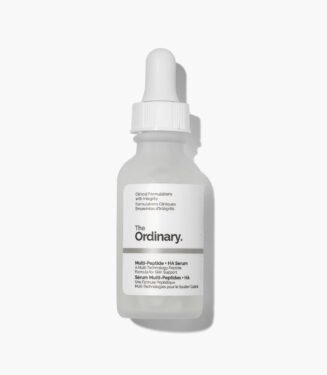
- Hyaluronic acid is commonly used in hydrating skincare.
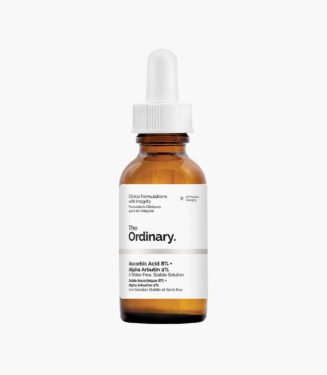
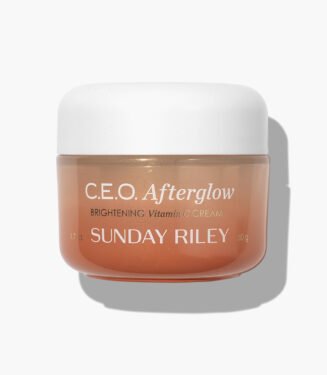
- Vitamin C is often included in routines focused on brighter-looking skin.
- Retinoids are commonly used in routines targeting signs of aging and skin texture.
- Exfoliating acids such as glycolic acid can help improve the appearance of uneven texture.
You do not need to use all of these ingredients. Start with one targeted product if you have a specific goal.
Introducing several active ingredients at the same time can increase the chance of irritation and make it harder to identify which product may be causing a reaction.
3. Use a Moisturizer
Moisturizer helps reduce water loss from the skin and supports a comfortable, hydrated feel.
People with dry skin may prefer richer creams, while people with oily or combination skin may prefer lightweight lotions or gel-based formulas.
Even oily skin can benefit from moisturizing. Having oily skin does not necessarily mean that the skin is adequately hydrated.
4. Finish With Sunscreen in the Morning
Sunscreen is one of the most important parts of a daytime skincare routine.
For everyday outdoor protection, dermatologists commonly recommend using a broad-spectrum sunscreen with SPF 30 or higher. Apply sunscreen as the final step of your morning skincare routine and reapply as needed, particularly when spending extended time outdoors, sweating, or swimming.
Sun protection can help reduce sunburn and limit cumulative ultraviolet exposure that contributes to premature skin aging.
Simple Morning Skincare Routine
A beginner-friendly morning routine can be very straightforward:
Step 1: Cleanser
Step 2: Serum, if desired
Step 3: Moisturizer
Step 4: Broad-spectrum sunscreen
You can simplify this even further if your skin does not require multiple products.
For example, someone with dry skin might use a gentle cleanser, hydrating serum, moisturizer, and sunscreen. Someone with oily skin might prefer a lightweight cleanser, optional treatment, lightweight moisturizer, and sunscreen.
The best routine is one that you can follow consistently.
Simple Nighttime Skincare Routine
Your nighttime routine can focus on cleansing and supporting the skin while you sleep.
Step 1: Remove makeup and sunscreen
Step 2: Cleanse
Step 3: Apply a treatment or serum
Step 4: Moisturize
If you are using a retinoid or exfoliating product, follow the product’s directions carefully. Beginners should generally avoid adding several strong active ingredients to the same routine without understanding how they interact or how their skin responds.
How Often Should You Use Skincare Products?
Not every skincare product needs to be used several times a day.
Cleansing and moisturizing may be part of your regular morning and evening routine, while sunscreen is primarily a daytime product.
Treatment products can have different recommended frequencies. Some may be designed for daily use, while others are better introduced gradually.
Always follow the instructions provided with a product. If you experience persistent burning, swelling, significant redness, or another concerning reaction, stop using the product and consider speaking with a dermatologist or other qualified healthcare professional.
Common Skincare Mistakes Beginners Should Avoid
Building a routine is only part of skincare. Knowing what not to do can be just as important.
Using Too Many Products
More products do not automatically mean better results. Introducing several new products at once can overwhelm your routine and potentially irritate your skin.
Skipping Sunscreen
Using skincare products while regularly neglecting sun protection can undermine your overall routine.
Over-Exfoliating
Exfoliation can help improve the appearance of skin texture, but doing it too frequently may cause dryness or irritation.
Changing Products Too Quickly
Skin may need time to adjust to a new routine. Constantly changing products can make it difficult to determine what is actually helping.
Ignoring Your Skin’s Response
If a product consistently causes discomfort or irritation, do not assume that stronger irritation means the product is working better.
How to Choose the Right Products
When shopping for skincare products, avoid choosing products solely because they are popular online.
Instead, consider:
- Your skin type
- Your primary skincare goals
- The ingredients in the formula
- How frequently the product should be used
- Whether the product fits your existing routine
- Your budget and lifestyle
Reading product labels and following usage instructions can also help you make more informed choices.
If you have persistent acne, severe irritation, unusual changes in your skin, or another ongoing concern, professional medical advice may be more appropriate than trying multiple over-the-counter products.
When Should You Expect Results?
Skincare results are rarely instant. Some products can make the skin feel more comfortable or hydrated relatively quickly, while other concerns may take longer to improve.
Consistency is usually more important than constantly searching for a new product.
Try to give your routine enough time to evaluate how your skin responds, unless you experience irritation or another unwanted reaction.
Taking photos periodically under similar lighting can also help you notice gradual changes that may otherwise be difficult to see from day to day.
Frequently Asked Questions
What is the best skincare routine for beginners?
A simple routine usually includes a cleanser, moisturizer, and broad-spectrum sunscreen. A serum or treatment can be added when you have a specific skincare goal.
How many skincare products should a beginner use?
There is no fixed number, but starting with a few essential products is often easier. Once you understand how your skin responds, you can gradually introduce additional products.
Should I use moisturizer if I have oily skin?
Yes. Oily skin can still benefit from moisturizing. A lightweight moisturizer may be a suitable option for people who prefer products that feel less heavy.
Do I need sunscreen every day?
Daily sun protection is an important part of a daytime skincare routine, especially when you will be exposed to sunlight. Choose a broad-spectrum sunscreen with an appropriate SPF and follow its application and reapplication directions.
Should I use vitamin C and retinol together?
Both ingredients can have a place in a skincare routine, but beginners do not necessarily need to introduce them simultaneously. Start gradually and pay attention to how your skin responds.
How can I make my skincare routine easier?
Keep it simple. Choose products that match your skin type and goals, introduce new products gradually, and focus on consistency rather than having a large collection of products.
Final Thoughts
A good skincare routine for beginners does not need to be complicated or expensive. Start with the fundamentals: cleanse your skin gently, keep it moisturized, and use sunscreen during the day. Once these basics become part of your routine, you can consider adding targeted ingredients based on your individual skincare goals.
The most important step is finding a routine that works for your skin and fits comfortably into your everyday life. Skincare is a long-term habit, so focus on consistency, listen to your skin, and make changes gradually.
For more skincare products and helpful beauty content, explore Life Care Zone and discover products that can complement your everyday skincare routine.